Your shopping cart is empty!
Your shopping cart is empty!
The first thing that comes to mind when you say Isparta is the rose. With the harvest that begins at the end of May, the city's gardens turn pink, rose oil and rose water come out of the stills and rose jam out of the kettles. In this guide we describe the Isparta rose in plain language, from the garden to the table and to the care routine; at the end of each section you will find links to our more detailed articles and related products.
Popularly also known as the oil rose or the Damask rose, the Isparta rose is a pink-flowered rose with an intense scent. Unlike garden roses, it is grown not for ornament but for the volatile oil in its flower. Isparta's climate and soil are very well suited to this rose; that is why the city has long been known as the "City of Roses".
A rose garden blooms only once a year, during a short period of a few weeks. The labor of the whole year is gathered in these few weeks; this is the first reason why rose products are valuable.
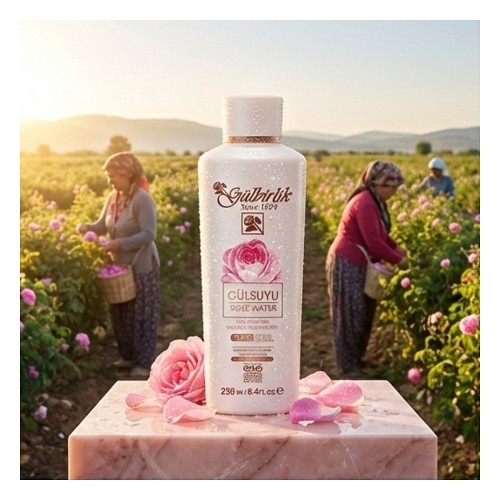
The harvest starts at the end of May and lasts until mid-June. The roses are picked by hand one by one in the early morning, when the scent is strongest and before the sun has warmed them. The picked flowers are taken to the distillation facilities the same day without waiting; a rose that waits loses scent and oil yield.
Distillation is carried out by boiling the rose petals together with water in a still and cooling the resulting steam. Both rose oil and rose water are obtained from this process. We described the steps of the harvest and production like a photo story in our article Isparta rose harvest and rose water production.
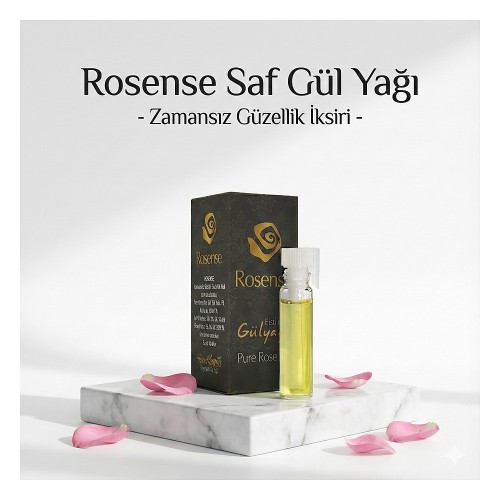
Only about 1 kilogram of rose oil is obtained from 3-4 tons of rose flowers. That is why pure rose oil is sold by the gram and used in very small amounts. It is normal for pure rose oil to thicken in a cool environment (below about 20 °C) or to form crystals; it becomes fluid again when warmed in the palm of your hand.
For the correct use, dilution ratios and storage conditions of pure rose oil, see our article How is pure Isparta rose oil used?; if you are wondering why its price is high and how to recognize the genuine product, see our article Why is rose oil expensive?. All of the products are in the Pure Rose Oil category.
Real rose water is the distillate obtained together with the oil while roses are distilled. No essence, alcohol or dye is added to it; its scent is natural and soft. The geographical indication registration of the name Isparta Rose Water also requires the use of registered Isparta roses in production.
| Product | How is it obtained? | How is it used? |
|---|---|---|
| Rose oil | The volatile oil that collects on top of the water during distillation | Drop by drop, generally diluted with a carrier oil or cream |
| Rose water | The water left after distillation, carrying the scent of the rose | Directly; on the face with a cotton pad, as a spray on the hair, or a few drops on desserts |
| Micellar rose water | Cleansing micelles are added to rose water | With a cotton pad for removing makeup and dirt |
| Rose cologne | Alcohol-based, rose-scented | On the hands for freshness and scent; not applied to the face |
We have gathered the most frequently asked questions about rose water in separate articles: how to tell real rose water, rose water in morning and evening skin care, how to apply rose water to hair, how to store rose water and the difference between rose cologne, rose water and micellar water. All options are in the Rose Water category.
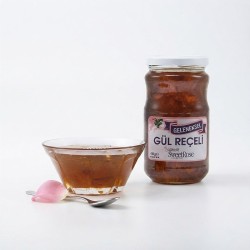
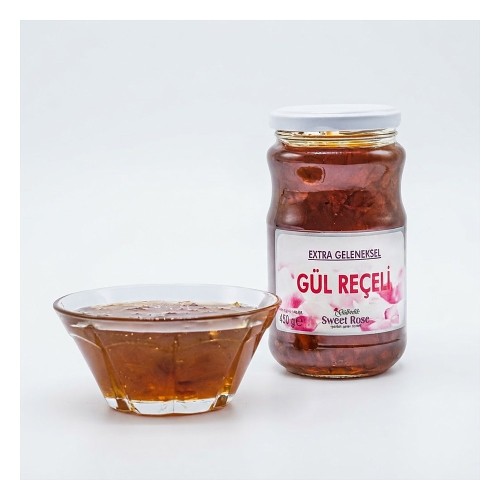
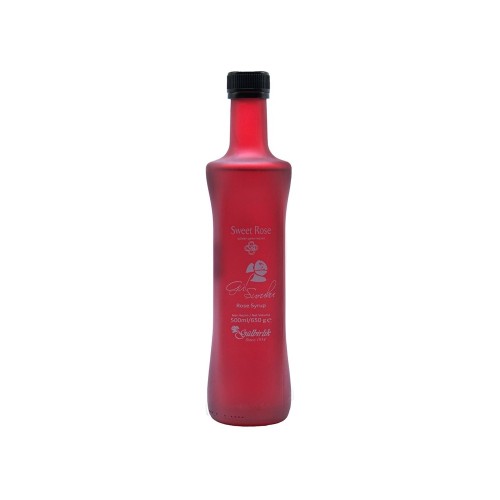
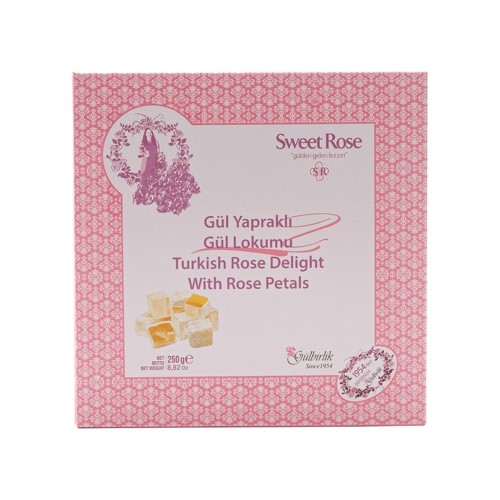
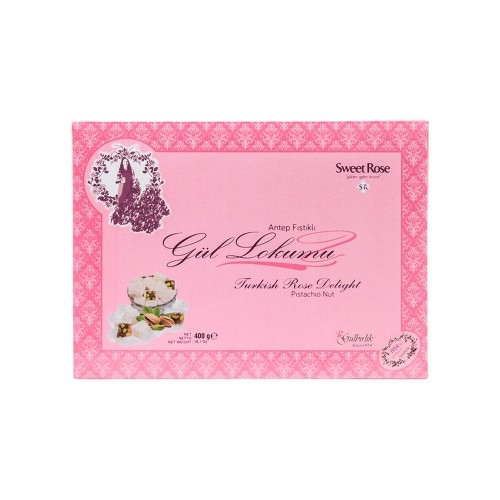
The petals of the oil rose also make it to the table. Isparta-style rose jam is cooked briefly with rose petals, sugar and lemon and keeps its color. Extra-petal jams have a higher proportion of petals. Rose syrup is diluted with water and drunk like sherbet, or used in desserts. Rose Turkish delight is loved as a treat to serve with tea and coffee.
For those who want to try at home, we have an article on Isparta-style rose jam recipe; if you are considering a bulk purchase for a cafe, hotel or gifts, take a look at our wholesale rose jam guide. The products are in the Jam and Food Products categories.
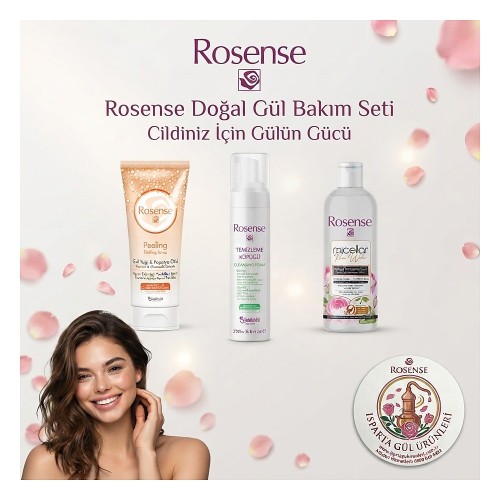
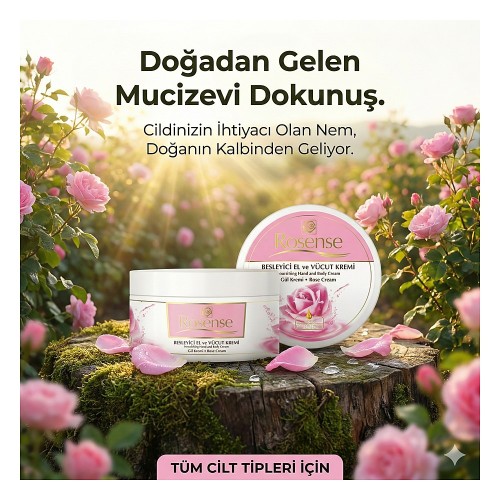
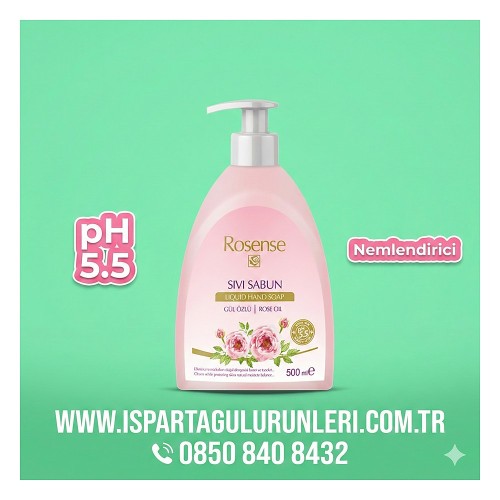
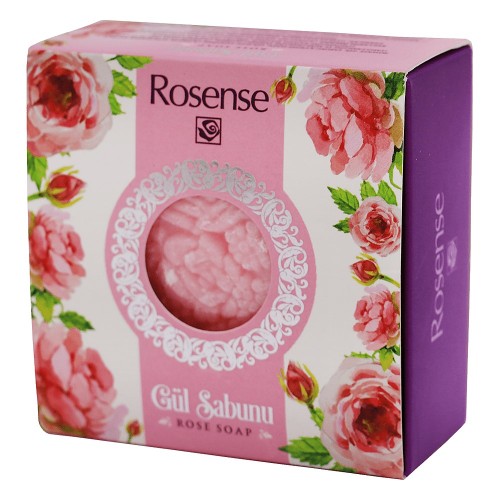
Rose water and rose extract are also used in tonics, creams, cleansing foams, soaps and body products. These products are cosmetic products; they can be part of a care routine that is pleasant for the skin, but they do not treat any disease. We recommend trying a new product on a small area before using it for the first time.
For those who want to build a routine: rose-based care for sensitive skin, rose-based bath routine and how to choose a facial toner. Categories: Skin Care, Hand and Body Care, Bath and Shower, Sets.
A geographical indication is an official registration showing that a product owes its characteristics to the place it comes from and that the name can only be used for products made in accordance with the specified rules. According to TÜRKPATENT records, Isparta Gülyağı was registered as a designation of origin on March 7, 2019 (registration no. 421) and Isparta Gül Suyu on September 20, 2021 (registration no. 899); Isparta Rose is also protected by a geographical indication.
You can tell whether a product carries a geographical indication from the official geographical indication emblem on its packaging and from the product description. If you have a question about a product you bought, write to us; we will answer after confirming the product information with its producer.
We are a Rosense authorized sales dealer shipping from Isparta. Products are shipped in the producer's packaging, with an invoice. Orders placed on weekdays before 13:00 are shipped the same day (except public holidays). You can pay by card, bank transfer/EFT or cash on delivery. We introduce our team and our dealership on the Our Team and Authorized Dealership page.
The Isparta rose is an oil rose of the species Rosa damascena Mill. It is popularly also known as the Damask rose.
The harvest takes place every year between the end of May and mid-June. The roses are picked by hand in the early morning and processed the same day.
About 3-4 tons of rose flowers are needed. That is why pure rose oil is sold by the gram.
No. Both come out of the same distillation, but rose oil is a concentrated volatile oil used diluted drop by drop; rose water is a lightly scented distillate that can be used directly.
Pure rose oil contains natural components that solidify in a cool environment. It is normal for it to thicken below about 20 °C; it becomes fluid again when warmed in the palm of your hand.
Orders placed on weekdays before 13:00 are shipped the same day (except public holidays). You can pay by card, bank transfer/EFT or cash on delivery.
This page is for general information only; it does not replace medical advice.