Your shopping cart is empty!

Your shopping cart is empty!
Plant oils differ from one another in texture, weight and the way they spread on the skin. A heavy oil for oily skin, or an oil that is too light for dry skin, may not meet expectations. Here is a practical selection guide by skin type.
| Oil | Texture | Who is it suitable for? |
|---|---|---|
| Grape seed | Very light | Oily and combination skin, massage |
| Apricot kernel | Light | Normal and dry skin, face and body |
| Sweet almond | Medium | Most skin types, carrier oil |
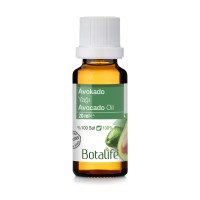
| Avocado | Rich | Dry and sensitive-looking skin |
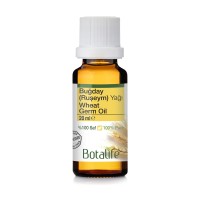
| Wheat (germ) | Rich | Dry skin, an addition to homemade recipes |
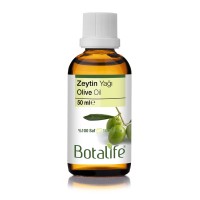
| Olive oil | Medium-rich | Hands, elbows, heels, hair mask |
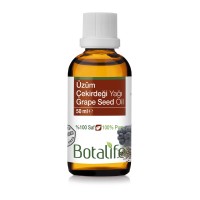
Grape seed oil is absorbed quickly and is comfortable to use even on oily skin. An economical 250 ml size is also available for massage. On the face, just 1-2 drops are enough.
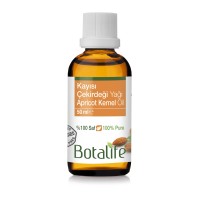
With its light texture, apricot kernel oil spreads easily over the face and body; it offers a use similar to almond oil. For details, you can look at our Sweet Almond Oil guide.
Avocado and wheat germ oil have a richer texture. They can be used on their own, or a few drops can be added to a lighter oil. Wheat oil naturally contains vitamin E. People with a wheat allergy or coeliac disease should consult a doctor before using wheat oil.
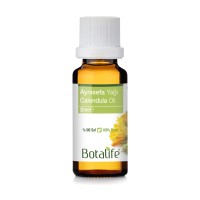
Calendula oil is a maceration oil prepared by steeping calendula flowers in a plant oil. It is traditionally used in the care of dry and sensitive-looking skin, hands, elbows and heels. People with an allergy to the daisy family should not use it.
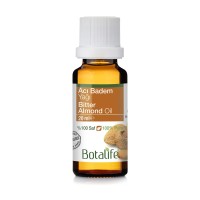
Bitter almond oil is for external use only and must never be swallowed; do not confuse it with sweet almond oil.
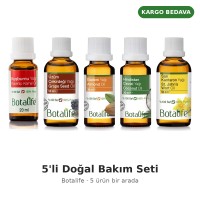
For those who want to try different oils together, the Botalife 5-piece Natural Care Set has been prepared.
This article is for general information only. Before using cosmetic products for the first time, test them on a small area. If you have persistent redness, itching or a skin problem, consult a dermatologist.
Write a Review