Your shopping cart is empty!

Your shopping cart is empty!
When buying plant oils, you often see the terms cold-pressed, essential oil and maceration on labels. These three groups are quite different from one another in both production method and way of use. Knowing the difference is important for choosing the right product and using it safely.
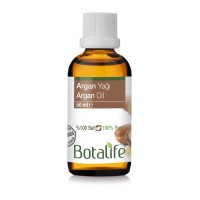
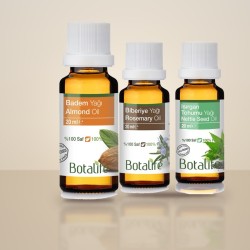
Cold-pressed oils are obtained by mechanically pressing seeds, kernels or fruits without exposing them to high heat. No chemical solvents are used in this method. The resulting oil largely retains the plant's natural color and scent.
You can find all the varieties in our Cold-Pressed Oils category.
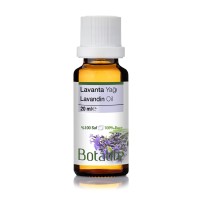
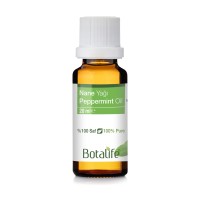
Essential oils are very concentrated aromatic compounds obtained from the leaves, flowers, peels or roots of plants, generally by steam distillation or (in citrus fruits) by cold pressing the peel. The name comes from the fact that it evaporates easily at room temperature.
Our essential oil varieties are in the Essential Oils category.
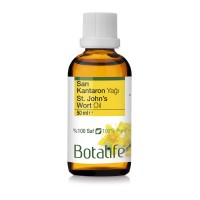
Maceration is a method in which a plant (flowers, leaves, etc.) is left to steep in a carrier oil for a long time. The oil-soluble components of the plant pass into the oil over time. The best-known example is the red-colored St. John's wort oil, prepared by leaving St. John's wort flowers to steep in oil in the sun.
See Macerated Oils.
| Cold-Pressed | Essential Oil | Maceration | |
|---|---|---|---|
| How it is obtained | Pressing seeds/fruit without heating | Distillation or pressing the peel | Steeping the plant in oil |
| Concentration | Light, oily texture | Very concentrated, aromatic | Same density as the carrier oil |
| Application to skin | Generally directly | Always diluted | Generally directly |
| Amount used | A few drops - a few ml | 1-3 drops | A few drops |
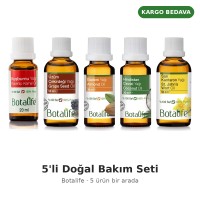
For those who want to try different types together, the Botalife 5-Piece Natural Care Set and our other value packs are a good start.
Some cold-pressed oils can also be consumed as food, but products packaged for cosmetic purposes are not always intended for food use. Unless the product label has a statement about food use, use it externally only.
Essential oils are highly concentrated; undiluted they may lead to irritation and sensitivity. That is why they are used diluted with a carrier oil and tested first on a small area.
This article is for general information purposes only; it does not replace medical advice. If you have any health problem, are pregnant or breastfeeding, or take a medication regularly, consult your doctor or pharmacist before using plant oils.
Write a Review